Underwear Fabric and Fit: Cotton, Modal, Bamboo Viscose, and Synthetics
Cotton, modal, bamboo viscose and synthetics manage moisture differently all day. How to read the label, pick a rise and leg cut, and avoid the size chart trap.
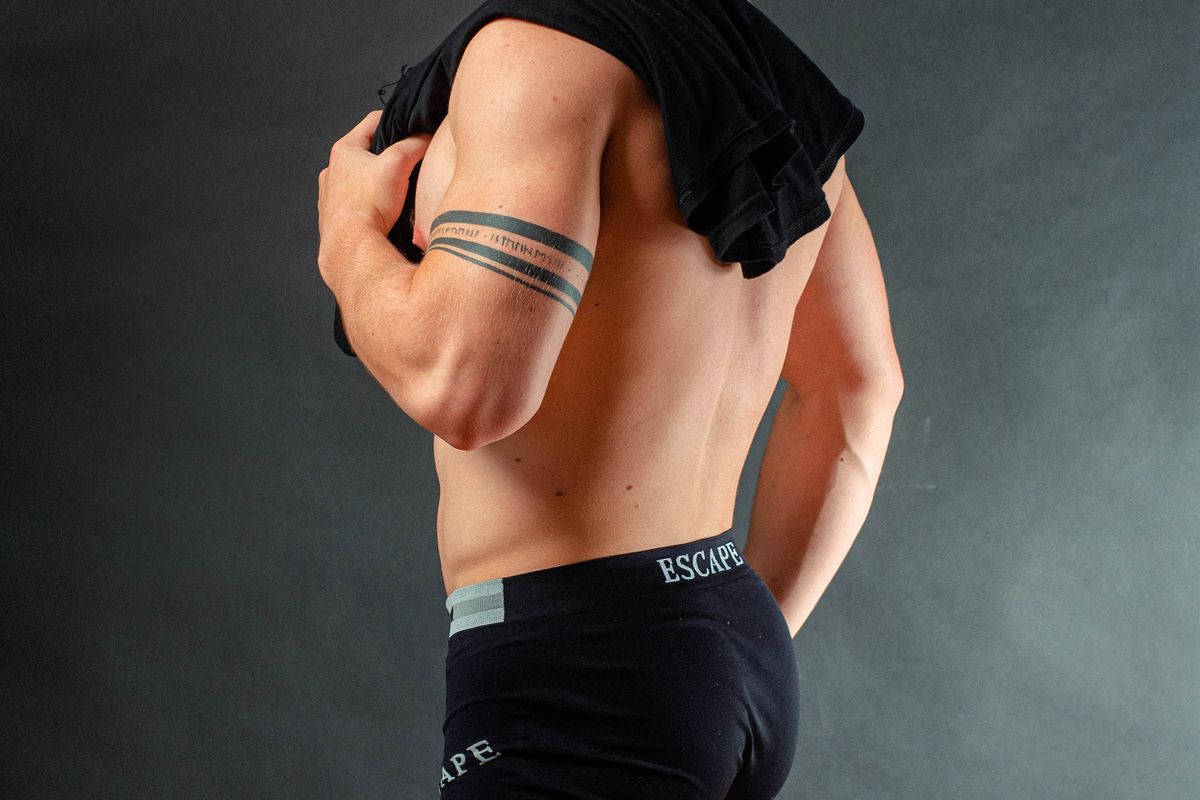
The fabric in a pair of underwear manages moisture against the skin for twelve hours a day, and the fit failures that make people rebuy are usually rise and leg cut, not size. The four fabric families on the market differ not in marketing language but in measurable properties.
What each fabric actually does
The number that separates these fabrics is moisture regain — the moisture a fiber holds from the air under standard conditions — published in references such as the ASTM commercial moisture regain tables. The figures line up with how the fabrics feel in wear.
| Fabric | Moisture regain (typical published figures) | What that means in wear |
|---|---|---|
| Cotton | 7–9% | Absorbs well, holds it against the skin, dries slowly |
| Modal | 11–13% | Softer from the first wear, pulls moisture away faster |
| Bamboo viscose | 11–13% | Same regenerated-cellulose behavior as viscose |
| Polyester / nylon | Under 1% | Absorbs almost nothing; moves moisture by wicking, dries fastest |
Cotton is the benchmark: cheap, tough, and slow to dry, so a cotton pair feels damp by evening in heat. Modal — a regenerated cellulose fiber from beech pulp — is smoother and more absorbent but less durable under mechanical stress. Synthetics feel clammy in still air because sweat sits on the skin instead of soaking in, but they recover shape and dry fast — why they dominate performance underwear.
The regain figure also explains a washing behaviour most people have noticed without naming it. A high-regain fiber takes on water in the machine and holds it through the spin, so cotton and modal come out heavier and need longer to line-dry; a polyester pair is nearly dry when the wash ends. The same property that makes a fiber absorbent in wear makes it slow in the laundry, and no fabric choice escapes the trade.
Reading “bamboo” on the label
Bamboo viscose is rayon. The bamboo is the pulp source; the chemical process dissolves and regenerates the cellulose, and no structural trace of the plant survives. The FTC’s business guidance on the subject is explicit: unless a product is made directly from mechanically processed bamboo fiber, it cannot be advertised as bamboo — the correct terms are rayon or rayon made from bamboo. Several large US retailers have paid civil penalties over mislabeling rayon as bamboo.
This is not a safety claim against the fabric. It is a label claim: “bamboo” on the tag tells you nothing about performance, while “rayon made from bamboo” tells you it behaves like viscose — soft, absorbent, weaker when wet, and prone to shrinking in hot water.
The penalty history is worth remembering while shopping, because the label is the only evidence a buyer gets before purchase. Tag language like “natural” or “eco” carries no fiber meaning; the regulated terms are the fiber names themselves, listed in order of percentage. A tag that reads “60% cotton, 35% modal, 5% elastane” tells a shopper more than a page of marketing copy, and that ordering rule is what the label law requires.
What the elastane percentage is doing
Nearly every pair on the shelf contains a small share of elastane, and the share does real work. Elastic fibers give a knit its recovery: they pull the fabric back to shape after stretching, which is what keeps a waistband snug and a leg opening from flaring. A 95% cotton pair and a 100% cotton pair of the same size will not fit the same after a day of wear, because only one of them has a fiber that pushes back.
The percentage is printed on the tag and worth comparing across pairs. Lower elastane shares read as more natural in feel and tolerate hotter washing; higher shares hold shape longer but are the first part of the garment to fail, since elastic fiber degrades faster than cotton or modal does. When a once-snug pair goes loose, the fabric is usually fine and the elastane is spent — a failure of one ingredient, not of the whole label.
Rise and leg length
Rise is where the waistband sits: low rise at or below the natural waist, mid rise at it, high rise above. The choice is about torso proportion and where trousers sit, not fashion alone — a low-rise pair under mid-rise trousers shows skin when you sit.
Leg length is the other half. Briefs have short legs and expose more thigh; trunks cut slightly longer; boxer briefs run down the thigh and stay put on larger legs. Ride-up and bunching at the leg opening is a cut problem: the opening is sized for a smaller thigh than yours. Fix it with a longer leg cut, not a bigger size — a larger size makes the waistband loose while the legs still ride.
Rise and leg length interact with the trousers worn over them more than most buying decisions admit. Slim trousers pull fabric upward at the thigh when a person sits, and a short leg cut rides with them. A longer leg anchors below the point where the outer trouser pulls, which is why the boxer-brief cut became the default under modern slim fits. Someone who wears wide or pleated trousers faces a different calculation and can pick the shorter cut without the ride-up penalty.
Matching the fabric to the day
The four families divide cleanly by use rather than by rank. Cotton earns its place as the everyday pair for desks and errands, where its slow drying costs little because the wearer is not sweating hard. Synthetics belong to training days, travel days and any situation where a garment has to dry in hours, not overnight. Modal and viscose sit in the middle as the comfort choice — smoother on the skin, more absorbent than cotton, and priced accordingly in most lines.
A drawer works better with a rotation than with a single type. The failure pattern that drives rebuying is usually one family being asked to do every job: cotton dragged through a workout, synthetics worn to the office in winter. Buying three cotton pairs, two synthetic pairs and one modal pair covers more situations than six of any one of them, and the total cost is roughly the same.
The size chart trap
Men’s underwear sizes map to waist ranges, and the ranges are not shared between brands. An M at one brand covers a different span than an M at the next, the same drift that vanity sizing brought to outerwear sizes. Measure a pair you like — the relaxed waistband, not your body — and compare it against the chart instead of guessing from a letter.
The dryer is where elastic dies
Two habits extend the life of any of these fabrics: wash in cold or warm water and skip the hot dryer, because heat is what destroys the elastane in waistbands and leg elastics — elastic goes before the fabric does. Check the care label rather than assuming; decoding fabric care labels takes ten seconds and prevents the shrinkage that turns a good pair into a tight one.
The shrinkage mechanism differs by family, and the care label encodes it. Regenerated celluloses — modal and viscose — swell in hot water and dry with less dimensional stability, which is why hot-washing a viscose pair shortens it. Cotton shrinks through the same heat-and-moisture cycle, a process covered in why clothes shrink in the wash. Synthetics resist shrinking but suffer at the other end: sustained high heat stiffens and weakens elastic fiber until the waistband gives up. Three fabrics, three failure paths, and one habit — cool water and air drying — that avoids all of them.
The one step: read the fiber tag on the next pair before buying it, note the elastane share, and wash that pair cold.
FAQ
- Is bamboo viscose the same as natural bamboo fiber?
- No. Almost all bamboo textile is rayon — chemically processed from bamboo pulp, with no trace of the plant left in the fiber. The FTC's guidance for sellers says such products must be labeled rayon or rayon made from bamboo, and retailers have paid civil penalties for labeling rayon as bamboo. A tag that says only bamboo is describing marketing, not fiber.
- Is modal better than cotton for underwear?
- They fail differently. Modal is softer from the first wear and absorbs more moisture — standard fiber tables put its regain around 11–13% against cotton's 7–9% — but cotton is tougher and tolerates hotter washing. Blends take the middle. Which is better depends on whether softness or longevity matters more for the garment.
- Why do my underwear ride up or bunch?
- The leg opening is cut for a different thigh than yours. A shorter leg cut — briefs and trunks — exposes more thigh and bunches on larger legs, while a boxer brief's longer leg stays put. If the elastic itself has gone slack, heat is the usual cause: a hot dryer is what kills elastic recovery.
Written by
Nora Finch
I started Dressing Time after one too many orders that came back in the wrong size. Everything here is built from published specifications, brand measurement charts and what owners actually report.
More in Everyday Wardrobe