How to Buy Clothes Online Without Returning Them
Buying clothes online without a return queue: measure yourself, read the size chart the brand actually uses, and trust the garment measurements over the label.
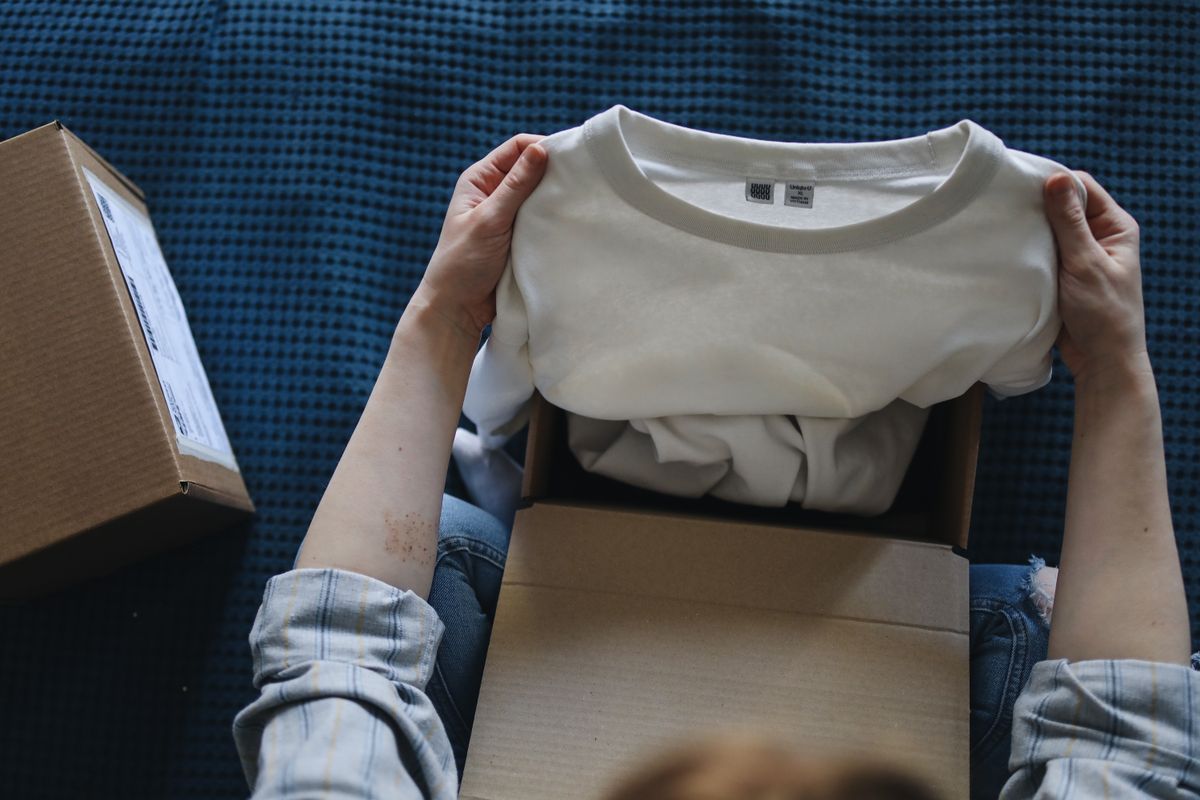
Buying clothes online without a return queue is a measurement problem, not a luck problem. The people who return the least are the ones who measured before the order, not the ones who ordered two sizes and kept one.
Measure a garment you trust
The fastest accurate number is not your body — it is a piece you already own and like. Lay a well-fitting shirt flat, measure pit to pit and the hem, write it down. Do the same for trousers: waist, thigh, and inseam. Those garment numbers are the yardstick, because how to read a size chart only works if you have something to read it against.
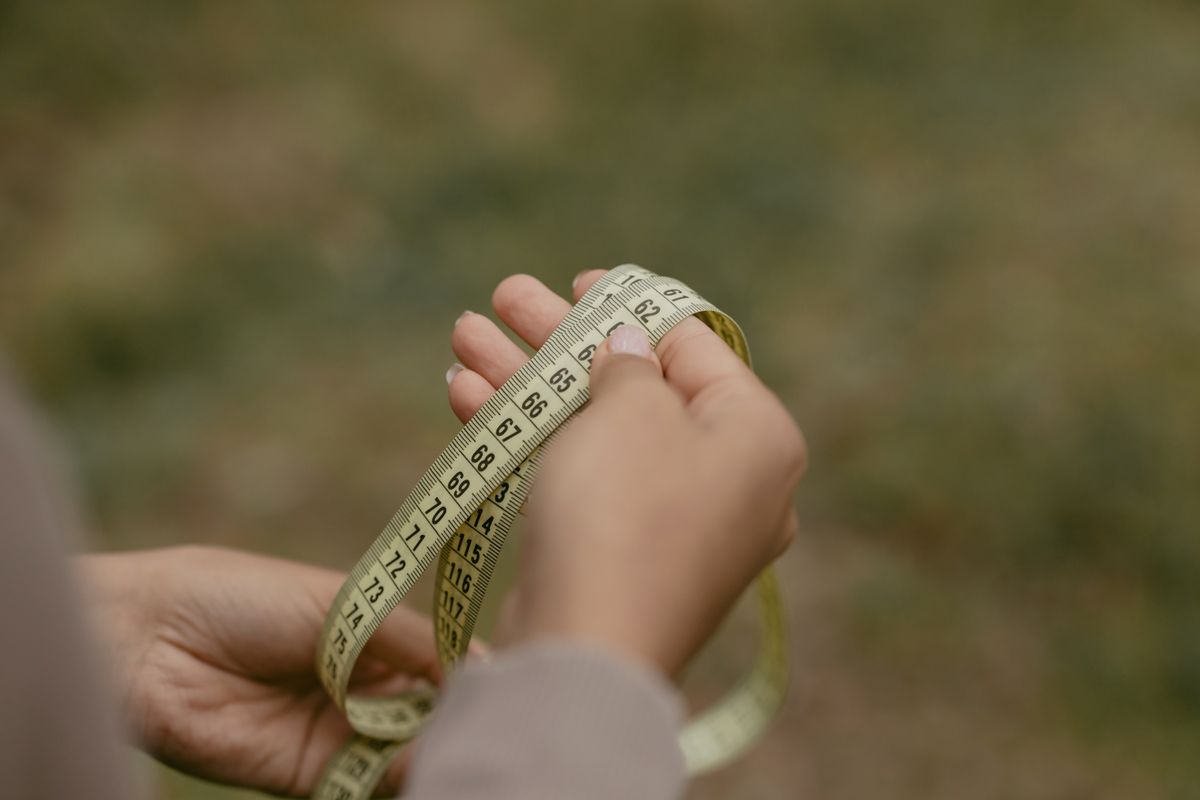
Then take the body measurements properly: chest, waist, hip, plus inseam for trousers and sleeve for shirts. The body chart tells you the intent; the garment you trust tells you the truth.
Read the chart the brand uses
Most returns come from trusting the label. Vanity sizing has moved the number on the tag away from the actual garment for years, and every brand moves it a different amount, so a 32 in one shop is not a 32 in another. The tag is the last thing to trust.
What you want is the garment measurement column — the shirt’s chest, the trouser’s waist — not the body chart. A chart that gives only body sizes leaves you guessing the ease, so the measurements worth taking before you order are the ones you compare to the garment, not to the mirror.
Trust the garment over the label
When the listing gives garment measurements, buy the number, not the size name. If the shirt measures 54 cm pit to pit and your trusted shirt is 53, you are a match regardless of whether the tag says M or L. When the listing gives only body sizes, scale from the garment you measured and add the ease you know you like.
One more check that prevents most returns: read the fabric. A 100% cotton woven shirt shrinks; a knit with elastane recovers. The care label and the fibre decide whether the size that fits today fits after the wash, and that is the return nobody sees coming.
The one step: keep a note of the three garment numbers you trust most, and only order the listing whose measurements match them.
FAQ
- What measurements do I actually need?
- Chest, waist and hip for most buys, plus inseam for trousers and sleeve for shirts. Measure a garment you already own and fits well, then compare those numbers to the listing — your body and the brand's body chart rarely agree.
- Why does the size label lie?
- Because vanity sizing has shifted the number on the tag away from the actual garment for years, and every brand shifts it differently. A 32 in one label is not a 32 in another, so the tag is the last thing to trust and the garment measurements are the first.
- Is a size chart enough on its own?
- Only if it lists garment measurements, not body measurements. A chart that tells you your body size but not the shirt's chest leaves you guessing the ease. When the brand gives only body sizes, measure a garment you trust and scale from that.
Written by
Maya Ellis
I started Dressing Time after one too many orders that came back in the wrong size. Everything here is built from published specifications, brand measurement charts and what owners actually report.
More in Fit & Buying Guides