Overcoat Length and Proportion: Where the Hem Should Fall and Why
Above the knee, at the knee, below it: what each overcoat length does to a silhouette, how height changes the answer, and where lapels and buttons fit in.
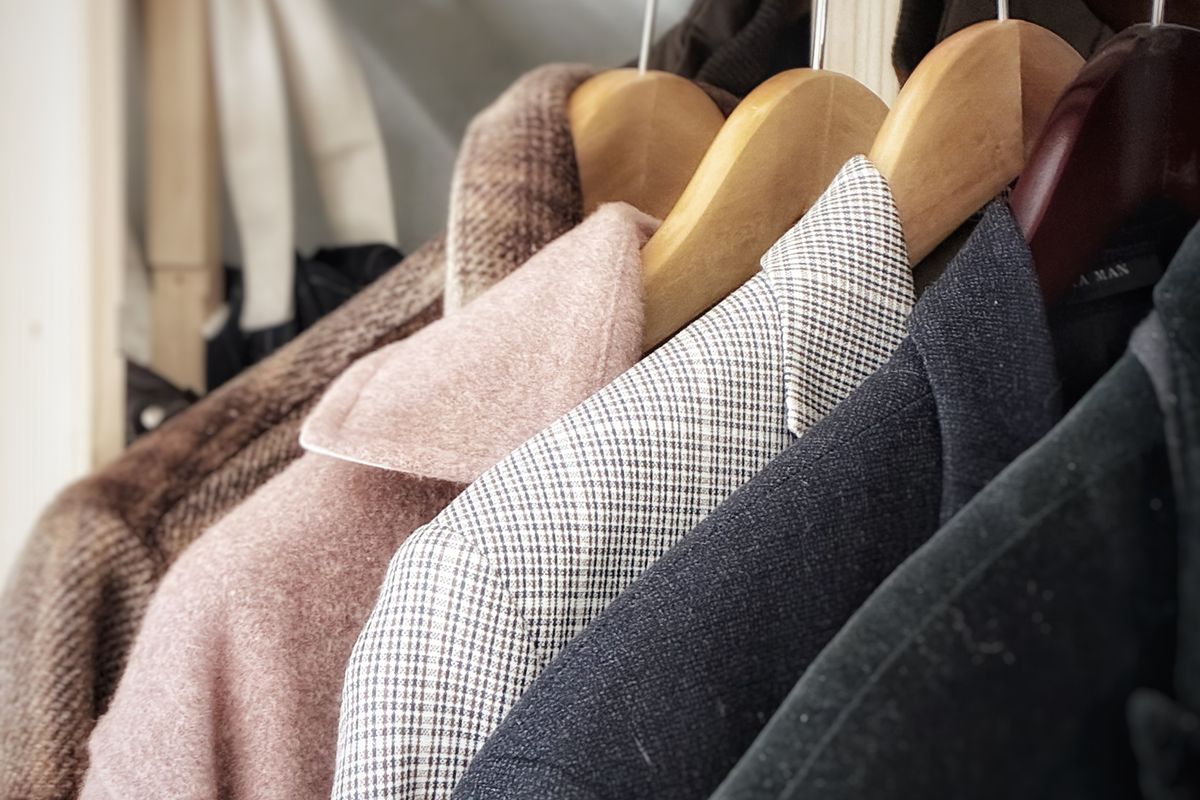
Length is the first thing anyone reads in an overcoat. It decides whether the coat covers what is underneath, how long the leg looks, and how formal the outfit reads.
The four lengths
| Length | Where the hem falls | What it reads as |
|---|---|---|
| Mid-thigh | Upper thigh, above the knee | Casual and practical; commuting, driving, weekend |
| At the knee | Just above or over the kneecap | The default business length; covers a suit jacket |
| Below the knee | Mid-calf | Formal, deliberate; winter events, taller frames |
| Full length | Ankle or near it | Evening and ceremonial; reads costume in daylight |
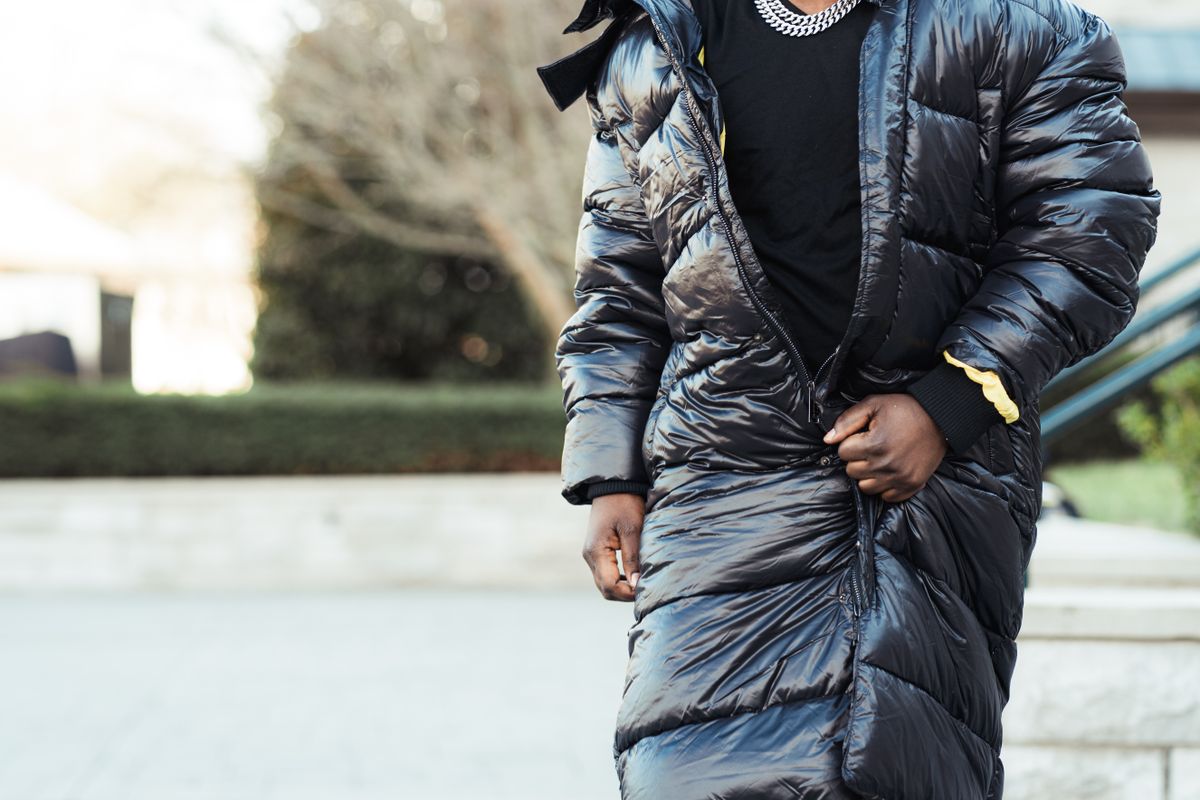
Coverage is the practical line: a coat ending above the knee leaves a suit jacket hem showing, which reads as a mistake. Below the knee, the coat has to be trim through the body or the length turns to bulk.
Height changes the hem, not the category
A shorter frame is not restricted to short coats. What a shorter frame cannot absorb is volume: a mid-thigh coat cut boxy with a low button stance adds width and reads squat, while a knee-length coat with a clean shoulder and a suppressed waist draws the eye down a single vertical line.
The detail that actually matters is where the hem lands on the leg. Ending at the widest part of the calf cuts the leg at its thickest point and shortens it; ending just above the knee or just below the calf keeps the taper visible. Taller frames can put the hem anywhere in the range, and the usual error at 6’2” and above is a coat that is too short for the body.
Lapel width follows the shoulder
Lapels are proportioned to the chest and shoulder they sit on. Broader frames carry wider lapels and a higher gorge; slighter frames look better with narrower ones. Peak lapels add width and formality, which is why they belong on dressier double-breasted coats; notch lapels are the everyday option.
The lapel has to lie flat. If it buckles or stands away from the chest, the coat is too tight through the body or the shoulder is wrong — and the shoulder is the one thing that cannot be altered cheaply.
Button stance moves the waistline
A higher buttoning point raises the perceived waist and lengthens everything below it, which is the flattering direction on a shorter frame. A lower stance creates a deeper V that draws the eye down through the torso, but it shortens the apparent leg. Double-breasted coats button higher and closer, which is part of why they add visual bulk through the middle.
On a single-breasted coat the button sits at or just above the natural waist, and the coat closes without an X-shaped pull.
What has to fit underneath
Buy the coat for the layer it will be worn over. A coat that fits over a shirt will not close over a blazer, and sizing up to fix that leaves the shoulders hanging — how to read a size chart covers which measurement to trust. In cold weather that layer is often insulated: a packable down jacket under an overcoat adds real bulk through the chest, the same trade-off covered in a three-jacket system for 40 to 70 degrees. Overcoat cloth is not a rain shell, either — how to layer under a rain shell handles the wet-weather version.
One check before you buy
Stand side-on to the mirror with the coat buttoned over what you will actually wear, and look at where the hem crosses the leg. If it lands at the widest point of the calf, try another length rather than another size.
FAQ
- How long should an overcoat be?
- At or just above the knee for most people, because that length covers a suit jacket without shortening the leg line. Mid-thigh reads casual and works for commuting; below the knee is formal and asks for either height or a deliberate look.
- Can a short man wear a long overcoat?
- Yes, if the shoulder is clean and the body is trim. Height limits how much coat a frame can carry, not the length category — a knee-length coat with a neat shoulder reads taller than a boxy mid-thigh one.
- Should lapel width match shoulder width?
- Roughly. Lapels are scaled to the chest and shoulder they sit on, so narrow lapels look undersized on a broad frame and wide ones overwhelm a slight build. When in doubt, standard width is the safe end.
Written by
Maya Ellis
I started Dressing Time after one too many orders that came back in the wrong size. Everything here is built from published specifications, brand measurement charts and what owners actually report.
More in Outerwear & Layers