Five Pieces That Cover a Full Work Week
How a five-piece weekday rotation covers Monday to Friday, why it survives the laundry cycle, and how to choose pieces that actually work together.
A rotation is a fixed set of pieces you repeat on purpose. Five pieces cover five weekdays with one outfit each, and the only skill is choosing five that work together so you never stand in front of the closet deciding.
The math is two plus three
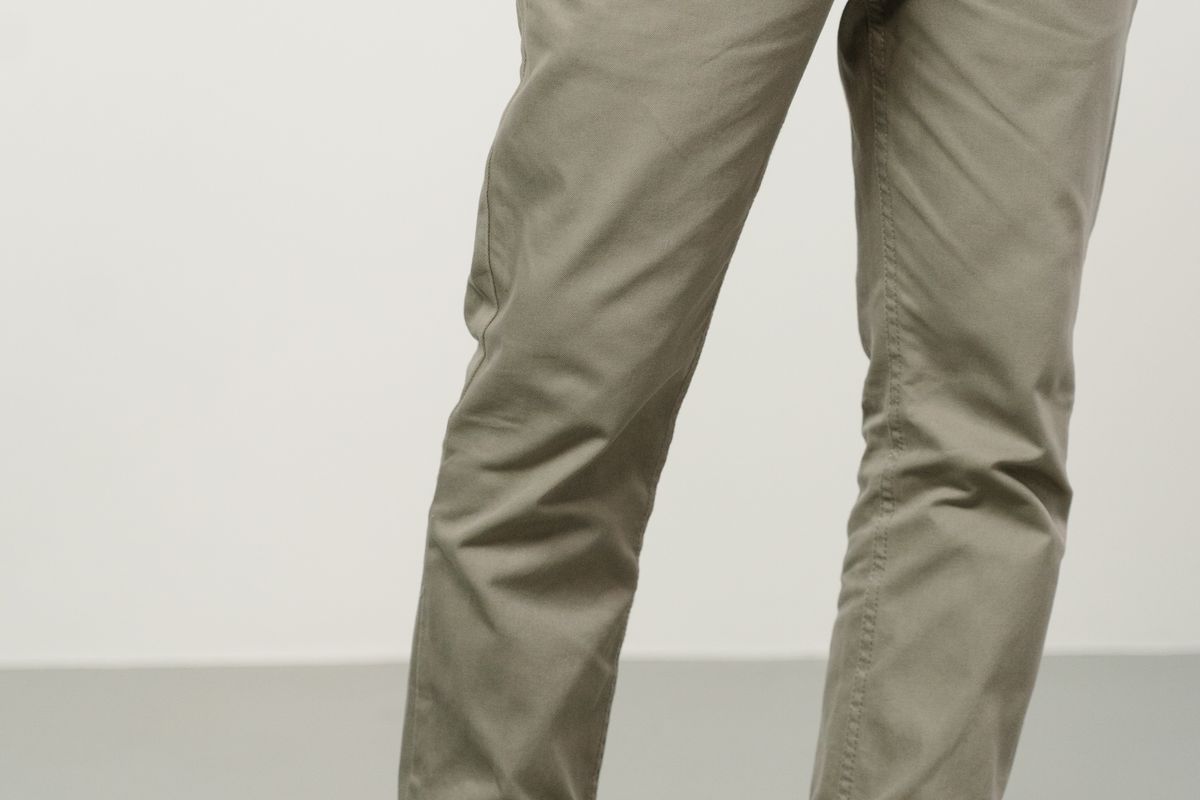
Two bottoms and three tops is the reliable split. Two pairs of trousers survive a week because each is worn twice with a rest day between, which lets wrinkles fall and fabric recover. Three tops give one per weekday. If your week is more formal, flip it to three bottoms and two tops — the count stays five, the logic stays the same.
Why it survives the laundry
A rotation washes on a schedule, not a panic. Wear each piece once, wash the set on the same day, and rotate the spares in. The garment you wore Monday is resting Thursday, so the closet never runs empty and nothing gets worn into the ground. Pieces worn twice get washed twice; the cycle follows wear, not the date.
Choosing pieces that work together
Compatibility is the whole game. Keep the palette narrow — one neutral bottom, one near-neutral top — so any top meets any bottom without a clash. Match the formality: don’t pair a structured trouser with a gym knit and call it done. And fit is the quiet rule, because a rotation only works if every piece fits the day you reach for it; how a shirt should fit across the chest is where most rotations fail, not the colour.
Ease matters more than the tag says. A knit with room to move layers over a shirt; a flat-front trouser with no ease binds when you sit. What ease means in a garment decides whether the rotation feels like a uniform or a straightjacket, and it is worth checking before you commit to five of anything.
Sizing the rotation, not the closet
Buy the five, then stop. The temptation is to fill the closet on the assumption that more pieces means more outfits, but a rotation lives on restraint. Sizing has also drifted between brands, so vanity sizing means the number on the label is a poor guide to the number that fits — measure, don’t assume, when you buy the pieces.
The one step: lay out two bottoms and three tops you already own, wear only those for a week, and replace the piece you resented first.
FAQ
- What counts as one piece in a rotation?
- One wearable item: a shirt, a pair of trousers, a knit, a jacket. Shoes and accessories are separate. The point is to fix the count of garments you repeat so the week stops being a daily decision.
- Why five and not ten?
- Five covers five weekdays with one outfit per day and leaves the weekend for whatever is left. Ten doubles the decision points and the laundry, and most people wear a fraction of what they own. A smaller rotation gets worn more and lasts longer.
- How often do I wash a five-piece rotation?
- Once a week if each piece is worn once. Wash on the same day, rotate the spares in, and the wardrobe never runs dry. Pieces worn twice get washed twice; the cycle follows wear, not the calendar.
Written by
Maya Ellis
I started Dressing Time after one too many orders that came back in the wrong size. Everything here is built from published specifications, brand measurement charts and what owners actually report.
More in Everyday Wardrobe